
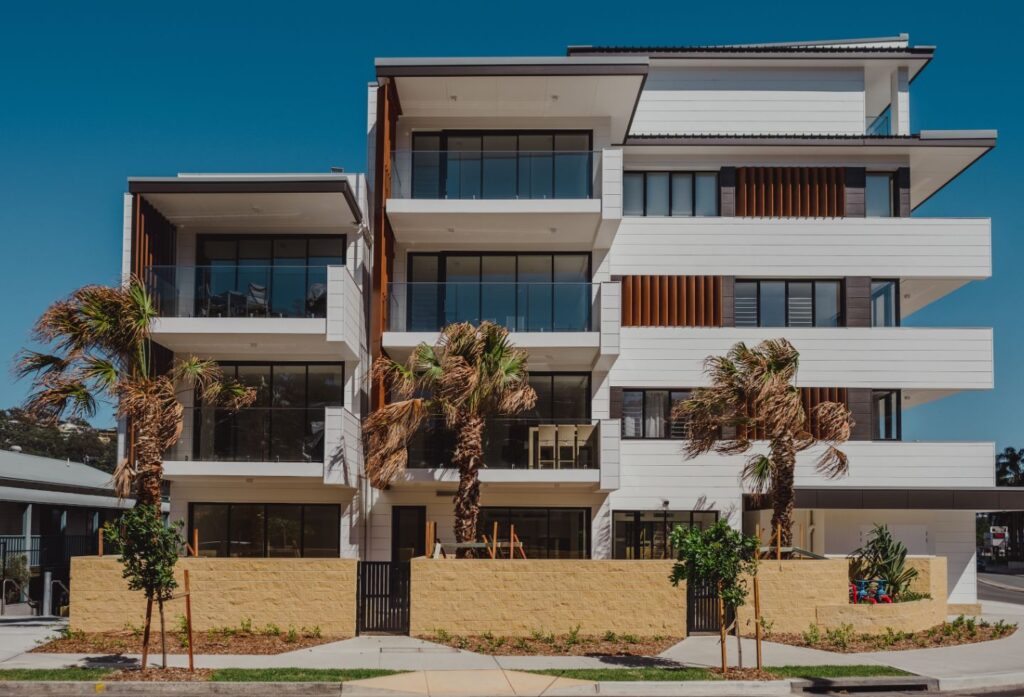
Urban development is often discussed in terms of land availability and housing construction. Yet between these two elements lies a critical layer that determines whether cities function effectively or struggle under pressure. That layer is infrastructure. It is the missing middle that connects land to livability.
Infrastructure includes roads, drainage systems, water supply, power distribution, and transportation networks. Without these systems, even the most well-designed housing developments fail to deliver value. Infrastructure transforms land into usable environments and housing into functional communities.
See Also: The Future of Housing Policy in Nigeria and What Stakeholders Must Expect
One of the key challenges in many emerging cities is the imbalance between housing supply and infrastructure delivery. Buildings may be constructed, but access roads remain poor. Drainage systems are incomplete. Utilities are inconsistent. This gap creates friction that reduces livability and suppresses property value.
From my experience observing urban expansion patterns, areas with strong infrastructure consistently outperform those without it. Even modest housing in well connected locations often commands higher demand than premium structures in poorly serviced areas. Infrastructure determines usability, and usability determines value.
At BlueDutch, development philosophy places infrastructure at the center of planning. Estate frameworks prioritize road networks, drainage systems, and accessibility as foundational elements rather than afterthoughts. This expertise driven approach reflects the understanding that infrastructure is not an accessory. It is the backbone of development.
Infrastructure also influences economic activity. Businesses require reliable access and utilities to operate efficiently. Areas with strong infrastructure attract commercial investment, which in turn drives residential demand. This interconnected relationship reinforces long term growth.
Transportation infrastructure is particularly important. Efficient movement of people and goods reduces commute times and improves productivity. Locations connected by major roads or transport corridors experience sustained demand because accessibility enhances daily life.
Infrastructure gaps also create inequality. Areas without proper services often experience reduced investment and limited economic opportunity. Addressing infrastructure as the missing middle helps bridge these gaps and supports more inclusive urban growth.
Governments and developers must collaborate more closely to address infrastructure challenges. Public investment in major networks combined with private sector estate development can create integrated solutions.
In conclusion, infrastructure is the missing middle that determines whether urban development succeeds or fails. It connects land to value, housing to livability, and communities to opportunity. Without it, development remains incomplete.
To explore BlueDutch’s development philosophy and to follow ongoing initiatives, visit the company’s official website for updates, insights, and investor information.
Investors, partners, and prospective collaborators may also follow ongoing estate and community development updates across BlueDutch’s media and communication platforms.