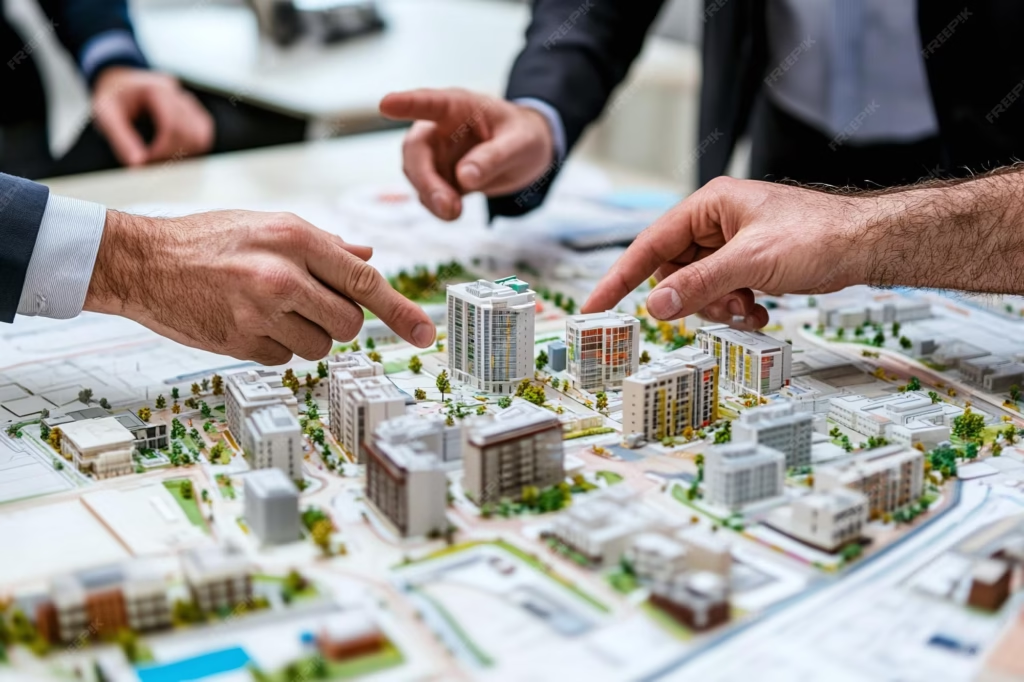
Real estate exists at the intersection of physical development and human experience. It is where urban planning meets everyday life. While urban planning provides the blueprint for how cities should function, real estate brings those plans into reality. When aligned effectively, the result is not just structured environments but spaces where individuals and communities can thrive.
Urban planning is fundamentally about organization. It determines land use, transportation networks, infrastructure distribution, and the relationship between different parts of a city. However, planning alone does not create impact. It requires execution through real estate development. This is where the connection between planning and human flourishing becomes most visible.
Don’t Miss This: The Role of Women in Transforming Africa’s Development Sectors
From my experience observing how different developments evolve over time, the most successful environments are those where planning principles are translated into practical, functional spaces. Roads connect efficiently. Infrastructure supports daily activity. Communities are organized in ways that encourage interaction and accessibility. These elements create conditions that go beyond functionality. They support well being.
Human flourishing involves more than economic activity. It includes quality of life, access to opportunities, social interaction, and overall satisfaction with one’s environment. Real estate plays a central role in enabling these outcomes. The spaces people live in influence how they work, how they connect with others, and how they pursue their goals.
At BlueDutch, development philosophy recognizes that real estate must align with broader planning objectives while remaining grounded in human needs. Structured layouts, infrastructure integration, and community planning are designed to bridge this gap. This expertise driven approach ensures that developments are not only technically sound but also supportive of everyday living.
Connectivity is one of the key elements in this relationship. Well planned developments allow residents to move easily between home, work, and essential services. This reduces friction in daily routines and improves productivity. Poor connectivity, on the other hand, can limit access to opportunities and create inefficiencies.
Space design also influences human experience. The arrangement of buildings, roads, and communal areas determines how people interact with their environment. Thoughtful design can encourage movement, interaction, and engagement. It can also provide areas for rest and reflection, contributing to overall well being.
Infrastructure remains a foundational component. Reliable systems for water, drainage, and power create stability. When these systems function effectively, they reduce uncertainty and allow residents to focus on other aspects of life. This stability is essential for long term flourishing.
There is also a psychological dimension to consider. Organized environments create a sense of order and predictability. This influences how individuals perceive their surroundings and how they engage with their community. A well planned environment can foster confidence and a sense of belonging.
Importantly, real estate has the ability to influence patterns of growth. Developments that align with planning frameworks contribute to cohesive urban expansion. Those that do not can lead to fragmentation. The decisions made at the development stage have long term implications for how cities evolve.
Collaboration between planners and developers is therefore essential. When both perspectives are aligned, projects can achieve both structural integrity and human relevance. This alignment ensures that development supports not only physical growth but also social and economic progress.
In emerging cities, where rapid expansion presents both opportunity and challenge, this connection becomes even more critical. Real estate must act as a bridge that translates planning into environments that support human potential.
In conclusion, real estate serves as a bridge between urban planning and human flourishing. It transforms abstract plans into tangible environments that shape how people live and grow. Developers who understand this role contribute to creating spaces that are not only functional but also enriching.
To explore BlueDutch’s development philosophy and to follow ongoing initiatives, visit the company’s official website for updates, insights, and investor information.
Investors, partners, and prospective collaborators may also follow ongoing estate and community development updates across BlueDutch’s media and communication platforms.