
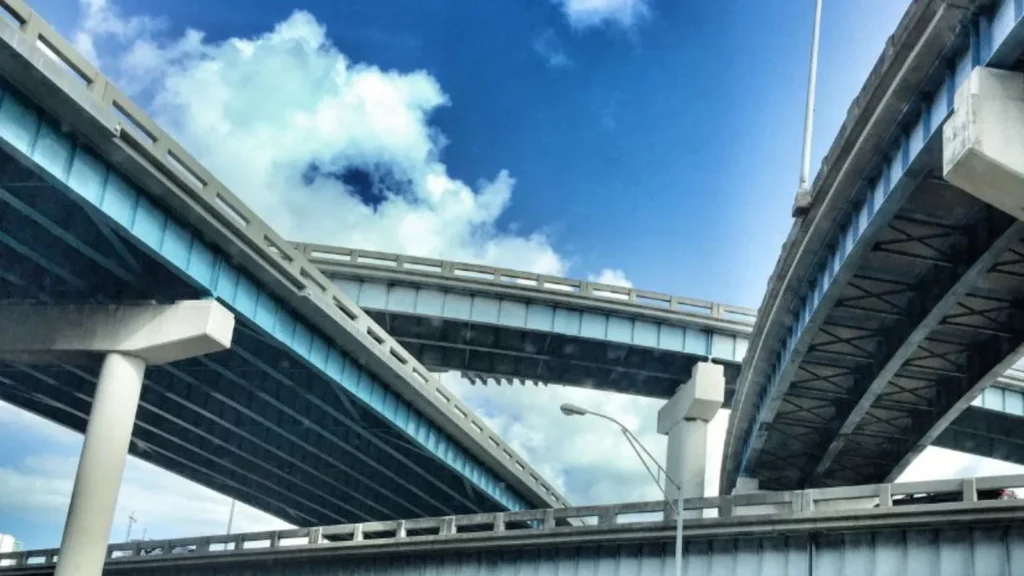
As cities across Africa continue to expand, the conversation around real estate is shifting beyond buildings to something more foundational. Community infrastructure is becoming the defining factor that separates functional environments from fragmented ones. Roads, drainage, utilities, and shared systems are no longer background elements. They are central to how cities will evolve and how residents will experience urban life in the future.
Emerging cities are growing at a pace that often outstrips infrastructure development. This imbalance creates pressure points. Traffic congestion increases. Flooding becomes more frequent. Access to essential services becomes inconsistent. These challenges are not simply inconveniences. They affect productivity, economic activity, and overall quality of life.
From my experience observing development patterns, one of the most consistent indicators of long-term success is how well infrastructure is planned and delivered. Projects that prioritize infrastructure from the outset tend to maintain value and functionality over time. Those that treat it as a secondary consideration often struggle to sustain their relevance.
Infrastructure must be approached as a system rather than a collection of individual components. Roads must connect efficiently. Drainage must account for water flow across the entire area. Utilities must be integrated in a way that supports both current and future demand. This systems based thinking is essential for creating environments that can scale with population growth.
At BlueDutch, development philosophy emphasizes structured planning that integrates infrastructure into every stage of the process. Layout design, land preparation, and service delivery are aligned to ensure that developments function as cohesive units. This expertise driven approach reflects the understanding that infrastructure is the backbone of any successful community.
Technology is beginning to influence how infrastructure is planned and managed. Data driven tools can improve mapping, optimize layouts, and enhance service delivery. While full scale smart infrastructure systems may still be developing in many contexts, the principles of efficiency and connectivity are already shaping decisions.
Sustainability is also becoming increasingly important. Infrastructure must be designed to withstand changing environmental conditions. This includes managing water effectively, reducing environmental impact, and ensuring durability. Long term resilience is now a key consideration in infrastructure planning.
Community infrastructure extends beyond physical systems. It also includes the frameworks that support how residents interact with their environment. Governance structures, maintenance systems, and service management all contribute to how infrastructure performs over time. Without these elements, even well designed systems can deteriorate.
Accessibility is another critical factor. Infrastructure should enable movement and connectivity rather than create barriers. Well planned road networks, pedestrian pathways, and access points improve mobility and enhance the overall functionality of a community.
The future of infrastructure will also involve greater collaboration between public and private sectors. Governments play a key role in large scale infrastructure delivery, while private developers contribute through project specific systems. Aligning these efforts will be essential for achieving cohesive urban growth.
Importantly, infrastructure influences perception. Well maintained roads, efficient drainage, and organized layouts signal stability and planning. These signals attract investment and increase confidence among residents and stakeholders.
In emerging cities, where growth is often rapid and uneven, infrastructure provides a framework for order. It guides expansion, supports economic activity, and enhances quality of life. As urbanization continues, the importance of getting infrastructure right cannot be overstated.
In conclusion, the future of community infrastructure in emerging cities will be defined by integration, sustainability, and long term planning. Developers who prioritize infrastructure as a core element of their projects will create environments that remain functional and valuable over time. As cities evolve, infrastructure will continue to shape how communities live, grow, and connect.
To explore BlueDutch’s development philosophy and to follow ongoing initiatives, visit the company’s official website for updates, insights, and investor information.
Investors, partners, and prospective collaborators may also follow ongoing estate and community development updates across BlueDutch’s media and communication platforms.