
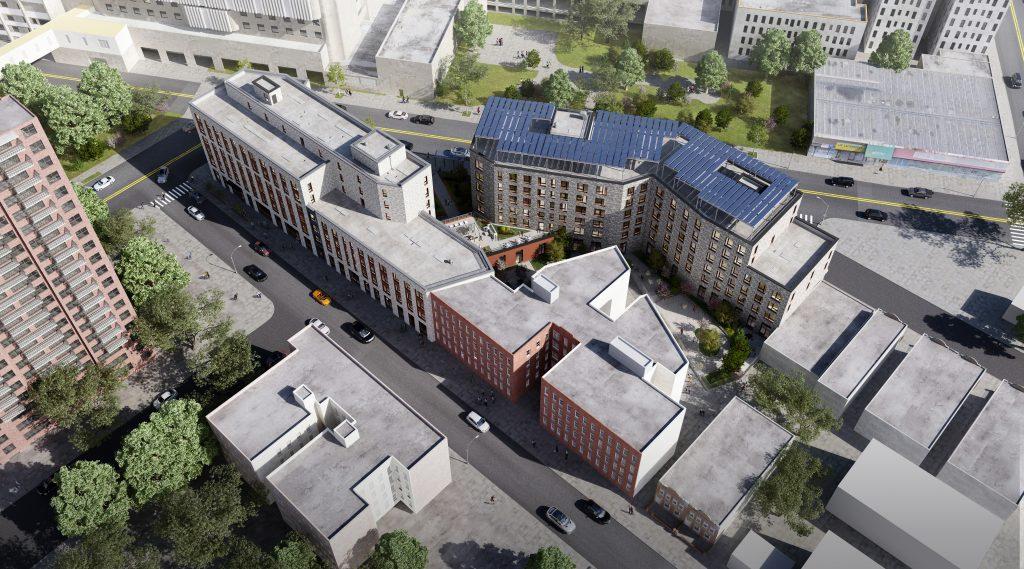
Across emerging cities in Africa, one housing model is gaining increasing relevance and momentum. Site and service development is steadily positioning itself as a practical response to affordability challenges, urban expansion pressures, and the need for structured growth. As housing demand continues to outpace supply, this model offers a pathway that balances accessibility with long term planning.
Traditional housing delivery models often require buyers to purchase fully built homes at once. While this approach provides immediate occupancy, it can limit access for a large segment of the population. High upfront costs, financing constraints, and rigid payment structures make it difficult for many individuals to participate in the property market. Site and service development introduces a different approach. It separates land acquisition from building, allowing buyers to enter the market more gradually.
From my experience working with different buyer segments, this flexibility significantly changes participation patterns. Individuals who may not be able to afford completed units can secure serviced plots and build over time. This staged approach aligns more closely with how many people plan their finances. It reduces the barrier to entry while still providing access to structured environments.
The strength of the site and service model lies in its foundation. Infrastructure is provided upfront. Roads, drainage systems, layout planning, and basic utilities create an organized framework within which development can occur. Buyers are not starting from an unstructured environment. They are entering a system that has already been planned for sustainability.
At BlueDutch, development philosophy recognizes that affordability must be approached strategically. Site and service projects are designed to combine accessibility with structure, ensuring that growth does not compromise long term value. This expertise driven approach reflects the understanding that housing solutions must be scalable without losing coherence.
Urban expansion further supports the relevance of this model. As cities grow outward, large tracts of land become available for development. Site and service projects can be implemented in these expansion corridors, creating new communities that reduce pressure on congested urban centers. When properly planned, these developments become extensions of the city rather than disconnected settlements.
Another important advantage is customization. Buyers have the opportunity to design and build according to their needs and preferences. This level of control increases satisfaction and encourages long term commitment to the property. It also allows for gradual improvement, as homeowners can upgrade structures over time.
Affordability does not only relate to initial purchase costs. It also includes long term financial sustainability. Site and service models reduce immediate financial pressure, allowing buyers to manage construction timelines based on available resources. This approach supports more stable ownership patterns.
However, the success of this model depends heavily on execution. Without proper planning and governance, site and service developments can devolve into unstructured environments. Infrastructure must be delivered as promised. Layouts must be respected. Community management systems must be established. These factors determine whether the model achieves its intended outcomes.
From a broader perspective, site and service development contributes to addressing housing shortages. By enabling more people to participate in property ownership, it expands the base of formal housing. This reduces reliance on informal settlements and supports more organized urban growth.
The model also aligns with long term investment strategies. Buyers who secure serviced plots in developing areas often benefit from appreciation as infrastructure improves and demand increases. This combination of accessibility and potential growth makes site and service projects attractive to both homeowners and investors.
In conclusion, site and service development is emerging as a practical and scalable solution to urban housing challenges. It reflects a shift toward flexibility, accessibility, and structured growth. As cities continue to expand, this model will play a critical role in shaping how housing is delivered and accessed.
To explore BlueDutch’s development philosophy and to follow ongoing initiatives, visit the company’s official website for updates, insights, and investor information.
Investors, partners, and prospective collaborators may also follow ongoing estate and community development updates across BlueDutch’s media and communication platforms.