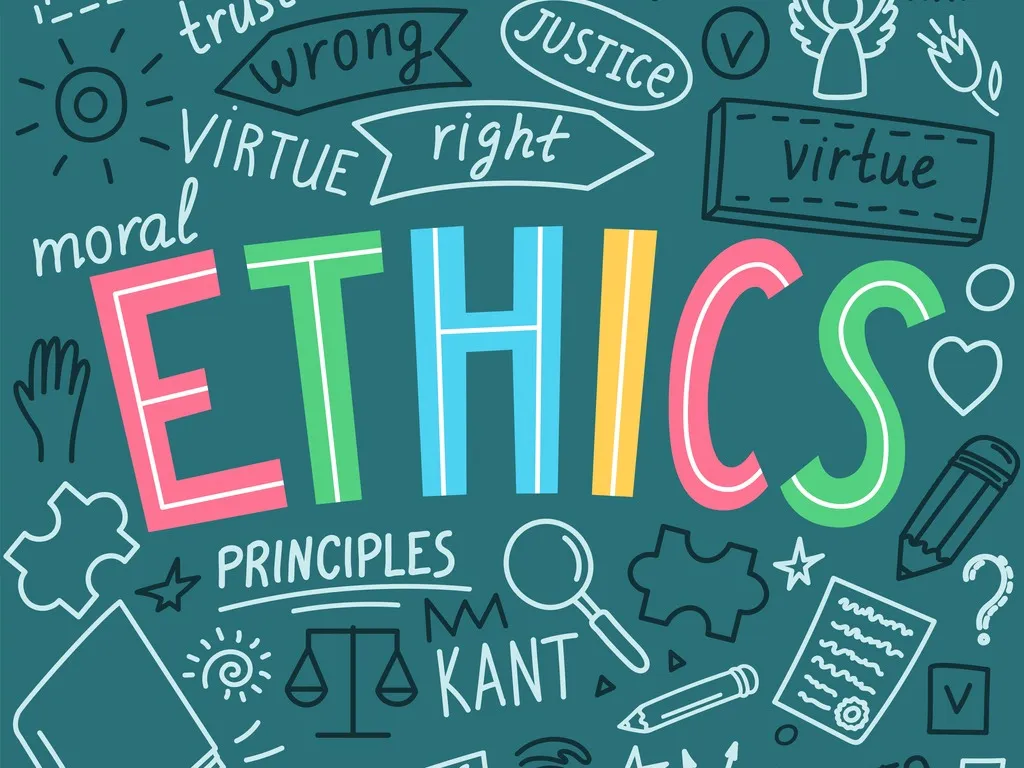
Ethics in real estate is often discussed as a moral consideration rather than a value driver. In practice, ethical development practices directly influence long term property value. They shape trust, reputation, compliance, and community stability. In emerging markets where confidence gaps still exist, ethics is not a soft concept. It is a strategic advantage.
Ethical development begins with honesty in representation. Clear communication about land status, timelines, infrastructure scope, and delivery expectations protects buyers from misunderstanding. When expectations align with reality, trust is preserved. Trust reduces disputes, accelerates transactions, and strengthens market perception. Developments that earn trust maintain demand even during periods of uncertainty.
Documentation integrity is another cornerstone of ethical practice. Accurate surveys, valid titles, and compliant approvals protect buyers and investors. Ethical developers prioritize documentation even when shortcuts appear tempting. This discipline protects value by ensuring assets remain transferable and defensible over time.
From my experience observing project outcomes, developments grounded in ethical practices face fewer disruptions. Disputes consume time, resources, and reputation. Ethical clarity reduces conflict and supports smoother operations. Over time, these efficiencies translate into stronger performance and resilience.
Ethical development also includes responsible land use. Developments that respect environmental constraints, drainage patterns, and community context reduce long term risk. Ignoring environmental realities may reduce short term costs, but it introduces future liabilities. Ethical planning mitigates these liabilities and supports sustainability.
At BlueDutch, development philosophy emphasizes ethical alignment as a foundation for trust and longevity. Planning frameworks prioritize transparency, compliance, and community consideration. This expertise driven approach reflects the understanding that value is preserved through integrity rather than speed.
Community engagement further reinforces ethics. Developers who engage host communities respectfully reduce resistance and build cooperation. Cooperation supports smoother project execution and social acceptance. Social acceptance enhances reputation and demand.
Ethical practices also influence governance. Clear rules, fair enforcement, and transparent management foster participation. Residents who trust governance structures are more likely to comply and invest emotionally in their environment. This collective responsibility protects property condition and value.
Market perception amplifies ethical outcomes. Developments associated with fairness and professionalism attract repeat buyers and referrals. Reputation compounds over time. Compounded reputation supports pricing power and liquidity.
Ethics also align with regulatory evolution. As governments strengthen oversight, compliant developments face fewer disruptions. Ethical developers adapt more easily to new standards. Adaptability protects long term viability.
In conclusion, ethical development practices strengthen long term property value by building trust, reducing risk, and enhancing reputation. They create environments where value compounds rather than erodes. In emerging real estate markets, ethics is not an abstract ideal. It is an asset.
To explore BlueDutch’s development philosophy and to follow ongoing initiatives, visit the company’s official website for updates, insights, and investor information.